IBC-Ab002
Age-related cognitive decline
DiscoveryPreclinicalPhase 1Phase 2Phase 3

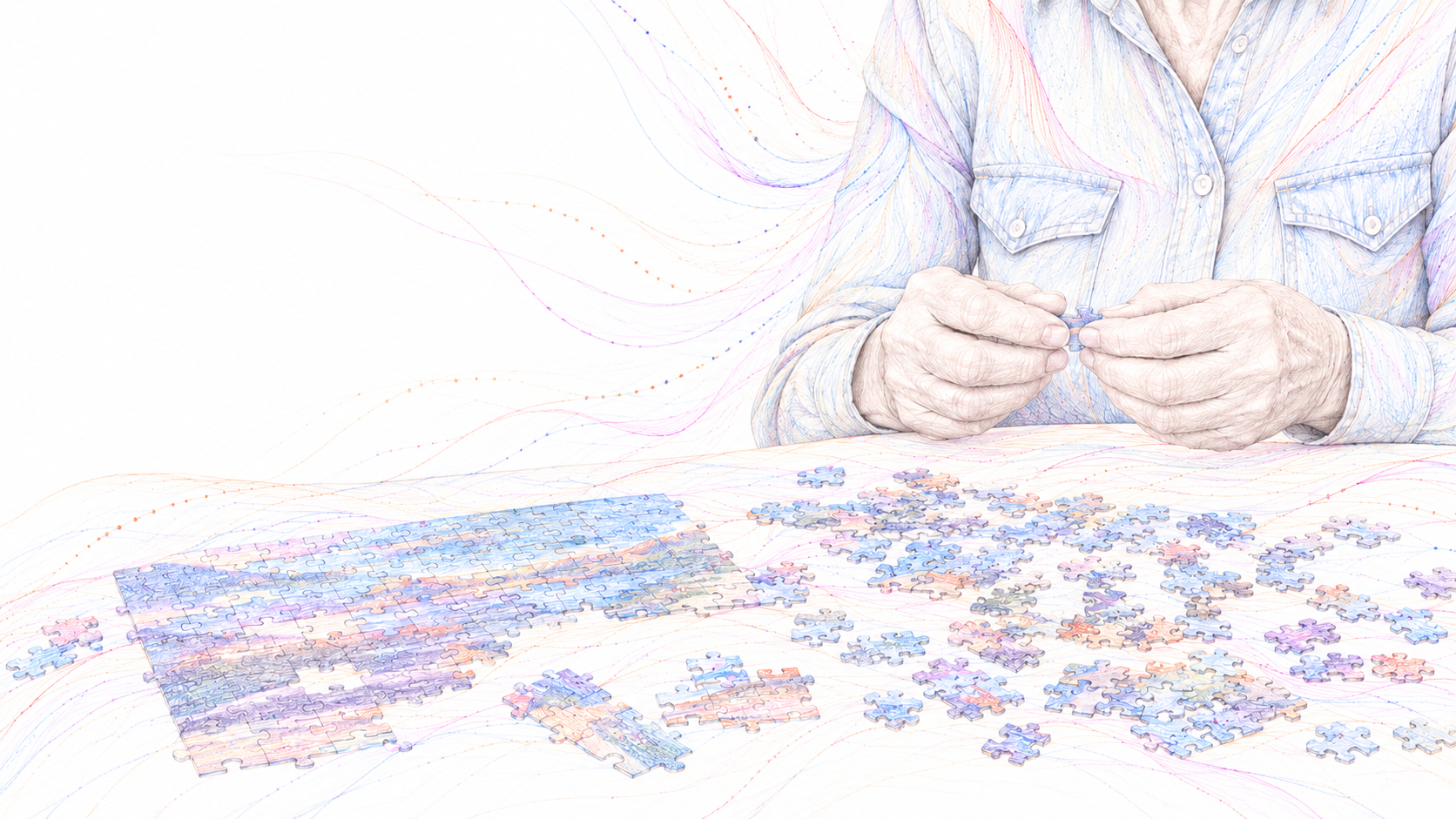
With age, the immune system becomes senescent and chronically inflamed, losing its ability to support brain maintenance and repair. This immune ageing contributes to the gradual decline of memory and cognitive function, even in the absence of diagnosed disease.
IBC-Ab002
Age-related cognitive decline is increasingly linked to aging of the immune system. Emerging evidence suggests that changes in cognitive function over time may reflect not only chronological aging of the brain, but also progressive dysfunction of the peripheral immune system.
Throughout life, the immune system contributes to brain maintenance, immune surveillance, tissue repair, and the resolution of inflammation. With age, these supportive functions may become impaired as the immune system undergoes immunosenescence, potentially reducing its ability to sustain brain homeostasis and respond effectively to age-related damage.
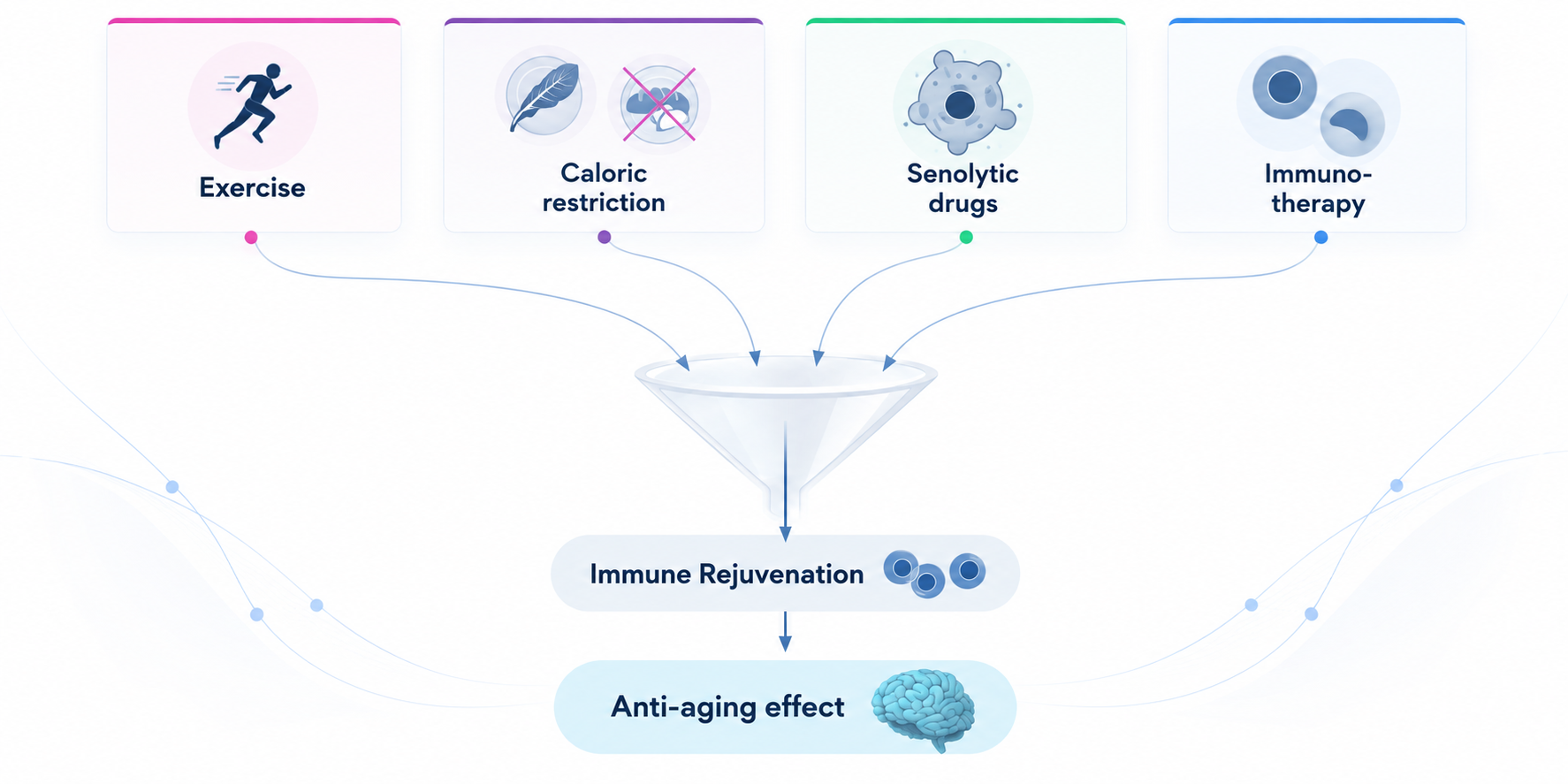
Preclinical and translational research supports the concept that restoring or rejuvenating peripheral immune function may help preserve brain function. Transient modulation of immune pathways has been shown to activate coordinated systemic immune responses that can support beneficial immune-cell trafficking to the brain, regulate neuroinflammation, and promote mechanisms associated with tissue maintenance and repair.
These findings provide the rationale for exploring immune rejuvenation as a therapeutic strategy to preserve cognitive function and potentially slow age-related cognitive decline.